

From 1997 to a New Era: How FREELANDER Reinterprets Its Land Rover DNA into Modern Design
In today's premium SUV market, heritage remains an important differentiator. While technologies and features continue to evolve, a strong design identity often determines how a vehicle is recognized and remembered over time. For FREELANDER, that identity can be traced back to the original Land Rover Freelander introduced in 1997.
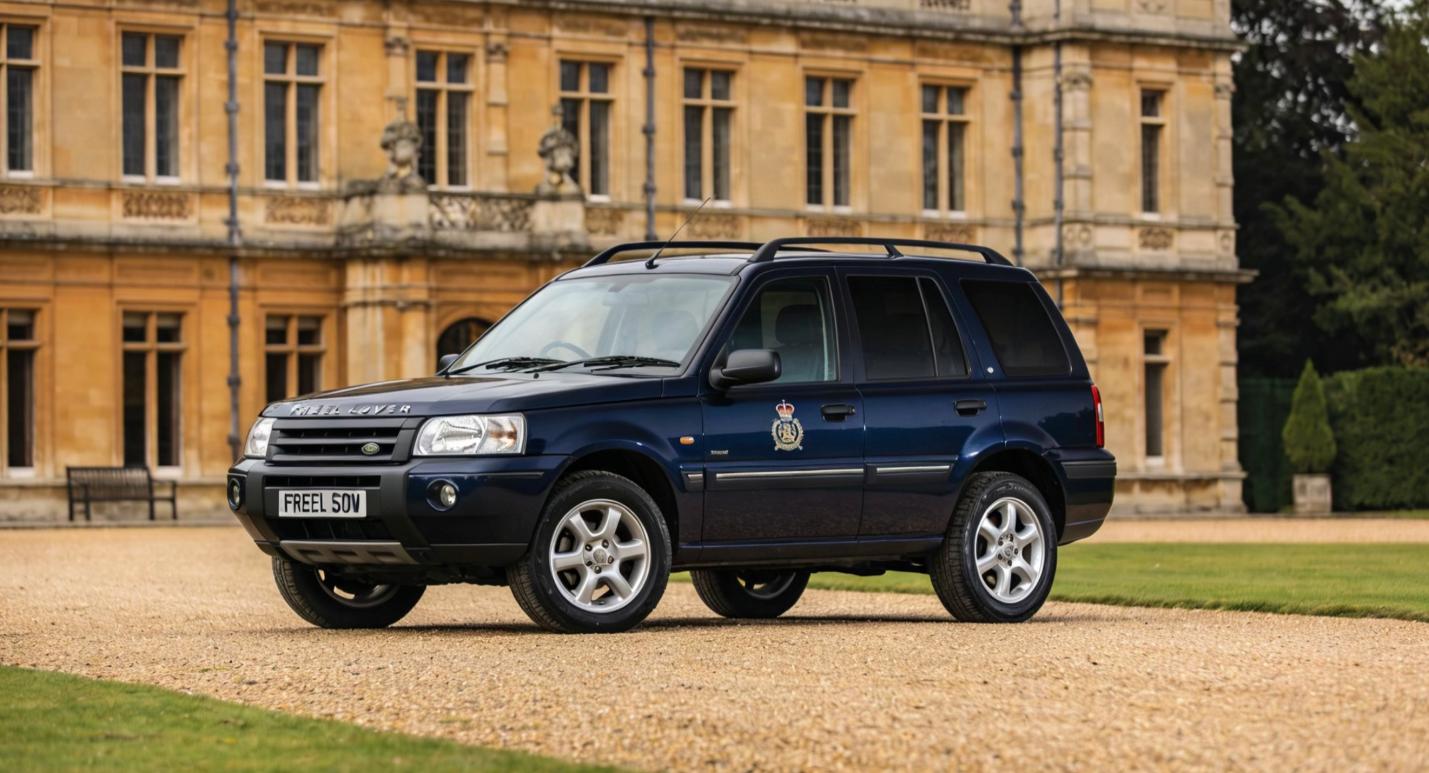
The original Land Rover Freelander established a distinctive position in the SUV segment through its combination of versatility, practicality and recognizable design. It also helped popularize the lifestyle SUV concept, offering everyday usability while maintaining the sense of freedom and all-terrain freedom that became closely associated with the Freelander name. Nearly three decades later, FREELANDER returns with a modern interpretation of the design elements that helped define the nameplate.
Rather than replicating historic models, FREELANDER applies a contemporary design language rooted in British Craftsmanship. At the center of this approach is the Castle-style Body design, which follows a "heavy base, light top" principle. A strong lower body creates a sense of stability and capability, while the lighter upper section introduces visual balance and refinement. The result is a distinctly British premium design expression adapted for the intelligent mobility era.
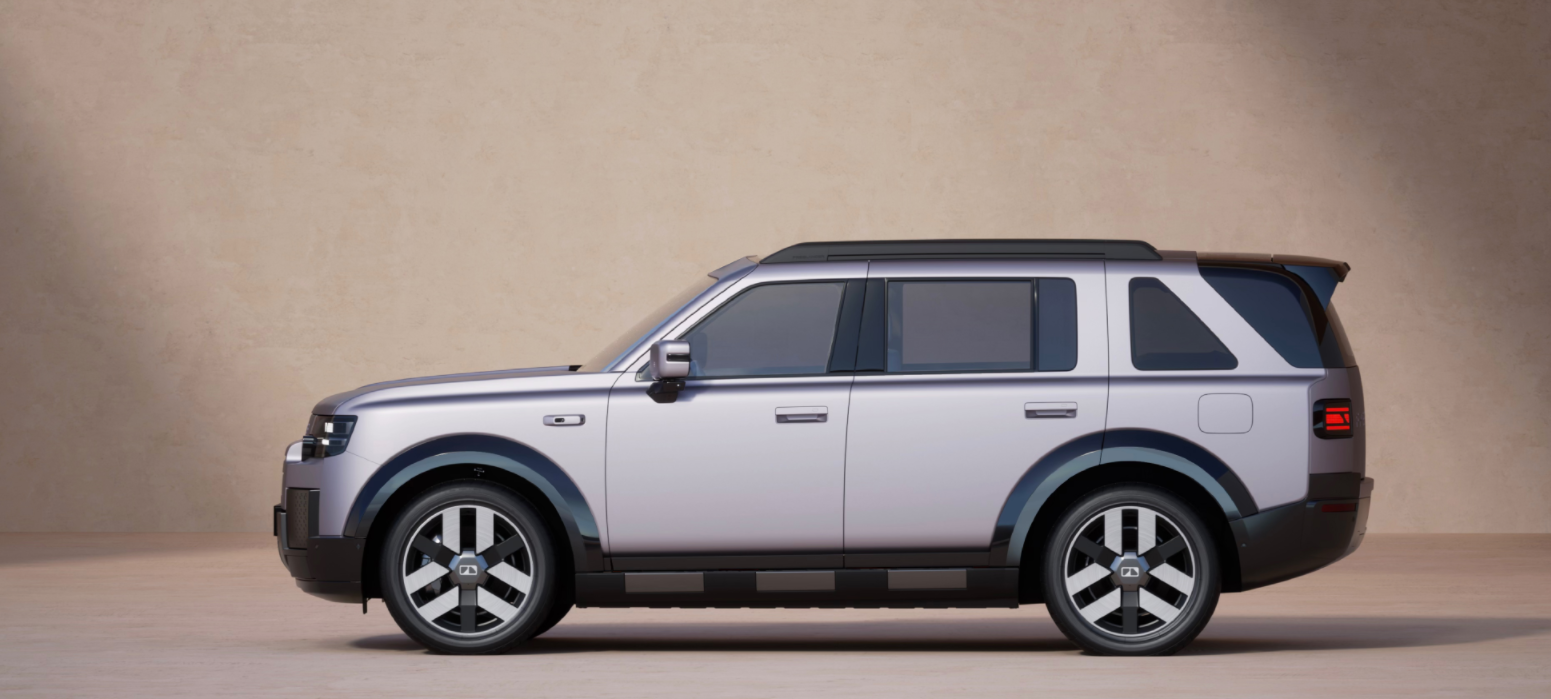
Several signature elements connect the vehicle to its heritage as well. The iconic Triangle Window remains one of the most recognizable design features associated with the original Freelander and broader Land Rover design heritage. Reinterpreted for a modern SUV, it contributes to a distinctive side profile while maintaining continuity with the vehicle's design history.
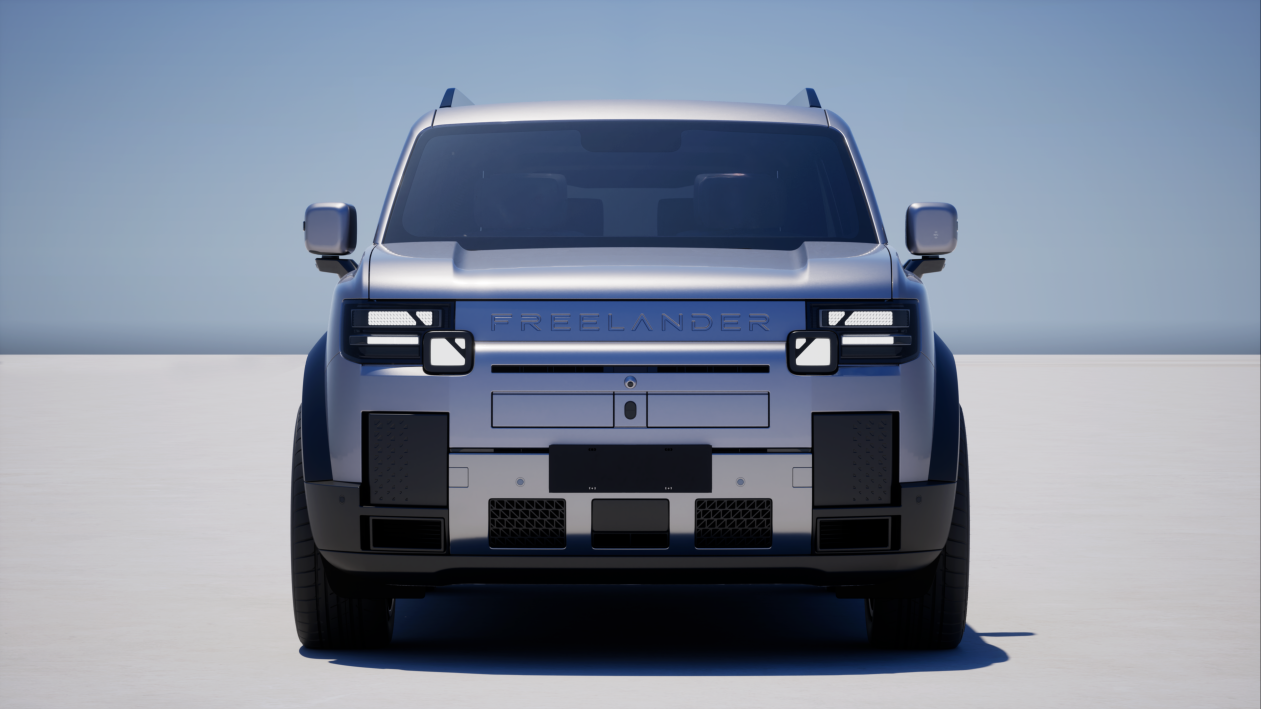
At the front, Signature Interlocking Headlights create a clear visual identity and reinforce the vehicle's contemporary premium positioning. Together with the Dual-Peak Hood, they contribute to a confident and technically sophisticated appearance. The hood itself adds depth and structure to the vehicle's design, reinforcing a sense of capability while contributing to the overall visual balance of the exterior.
The Castle-style Body architecture also influences the vehicle's overall proportions. Clean surfaces, strong body sections and carefully balanced volumes create a premium SUV design that emphasizes confidence and presence without excessive visual complexity. These elements demonstrate how Land Rover design DNA has been translated into a contemporary design language rather than simply reproduced.
Inside, the Commanding Front-Row Seat reflects another signature characteristic long associated with Land Rover vehicles. The elevated seating position enhances visibility, strengthens driver confidence and reinforces the sense of control expected from a premium intelligent all-terrain SUV.
Design is only one part of FREELANDER's modern identity. Today's premium SUV customers expect intelligent technologies, digital connectivity and genuine capability. FREELANDER addresses these expectations through its core pillars of British Craftsmanship, Smart Confidence and All-Terrain Freedom, creating a vehicle experience designed for modern explorers.
This approach reflects FREELANDER's brand mission: reshaping British heritage through intelligent innovation, for boundless journeys on any terrain, in every moment. Rather than treating heritage as a fixed reference point, FREELANDER adapts familiar design cues to meet modern expectations while maintaining a clear connection to the original Freelander.
By combining Land Rover's design DNA and all-terrain heritage with advanced intelligent technologies developed for the NEV era, FREELANDER reimagines British premium mobility for a new generation of explorers. The result is a vehicle that preserves the best traditions of British all-terrain design while delivering one of the most advanced intelligent mobility experiences ever embodied within the British all-terrain segment.
Legend Reborn reflects the brand's approach to design evolution—carrying forward familiar design cues while adapting them for the intelligent mobility era.


