

Tariff U-turn:Chinese EVs Enter Canada-Opportunities&Challenges
When the China-Canada Economic and Trade Cooperation Roadmap signed during Canadian Prime Minister Justin Trudeau's visit to China was implemented, the clause regarding China's electric vehicle tariffs plummeting from 100% to 6.1% was like a clear whistle, breaking the long-standing stagnation in China-Canada automotive trade. From the perspective of Chinese automakers, the door to the North American market, which had been tightly shut by high tariffs, finally opened a gap wide enough to enter; but upon closer inspection, there are both smooth paths and many potholes that need to be carefully crossed behind the door.

First, let's talk about the tangible benefits brought by this tariff adjustment. For Chinese automakers, the most direct gain is the removal of the "price shackles". Since October 2024, the 100% additional tariff has made Chinese electric vehicles completely uncompetitive in the Canadian market—even cost-effective BYD models doubled in price after adding tariffs, making them totally unable to compete with locally imported American and Japanese electric vehicles. Now, with the reduction to the most-favored-nation tariff rate of 6.1%, coupled with a guaranteed quota of 49,000 units per year (this number is equivalent to the export volume before the trade frictions, accounting for less than 3% of the Canadian new car market), Chinese automakers can finally participate in competition with a normal price position. In particular, enterprises like BYD with a rich matrix of affordable models have ushered in an excellent opportunity. After all, Canadian polls show that more than half of the public support tariff reductions to obtain cheaper electric vehicles, and market demand has long existed.
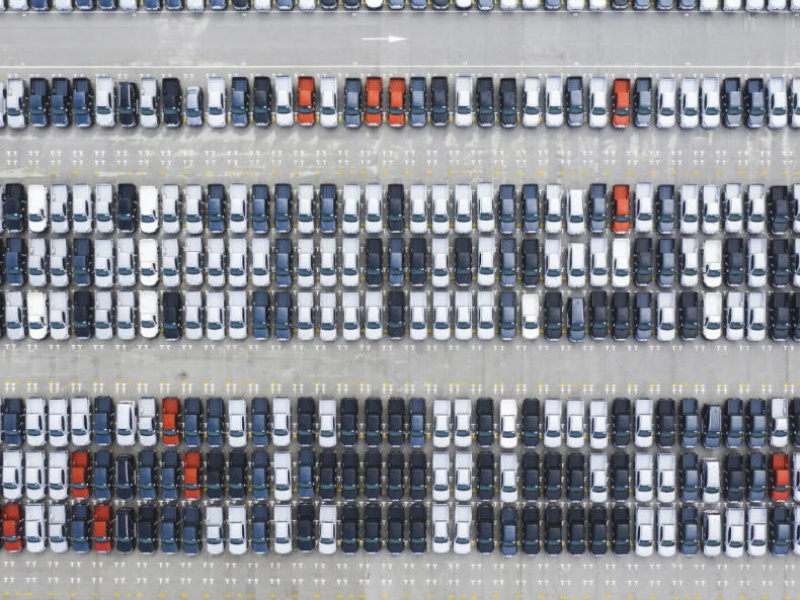
In the longer term, the breakthrough in the Canadian market can also help Chinese electric vehicles accumulate "access experience" in the North American market. Previously, China's electric vehicle exports to Canada mostly relied on OEM production by Tesla's Shanghai factory, and independent brands were almost non-existent. Now, with the loosening of tariffs, automakers can take the opportunity to establish distribution networks and familiarize themselves with local safety certification standards, just like BYD did in the Australian market, building channels from scratch. Moreover, the quota will increase year by year, and is expected to reach 70,000 units per year within five years, which provides a time window for Chinese automakers to expand steadily, avoiding being caught off guard by the sudden opening of the market. For Canada, this is also a win-win choice: it not only solves the dilemma of no local electric vehicle brands and lagging new energy transformation, allowing consumers to have more high-tech choices, but also can promote the development of the local supply chain with Chinese technology, helping to achieve the goal of phasing out fuel vehicles by 2035.
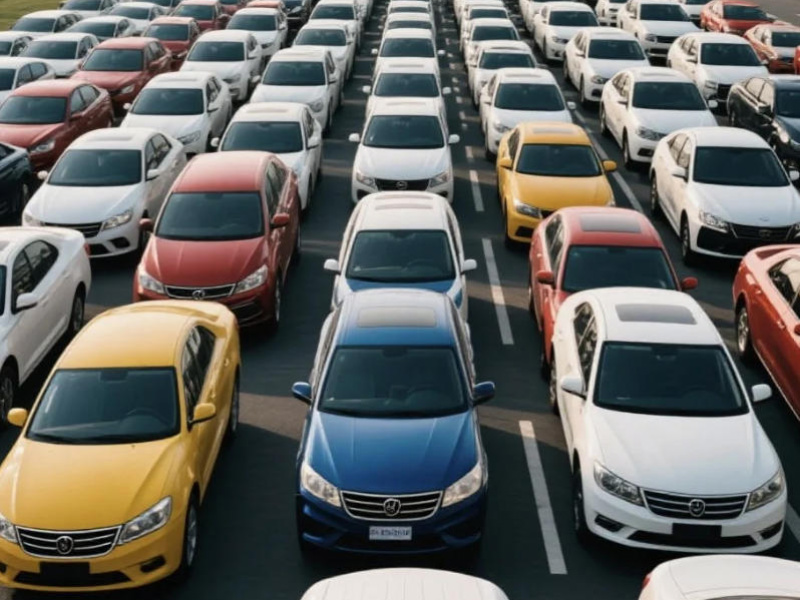
But don't be too optimistic yet; the challenges behind this tariff adjustment cannot be ignored. The most obvious constraint is the "quota ceiling". The annual quota of 49,000 units seems considerable, but when distributed among many Chinese electric vehicle brands, the share each can get is actually limited, and it is difficult to form economies of scale in the short term. Furthermore, the Canadian government's intention is clear: it hopes to promote Chinese enterprises to establish joint ventures locally within three years, and make more than 50% of imported vehicles affordable models within five years—this means that if Chinese automakers want to deepen their roots in the long run, they must invest funds and technology in local production, which is undoubtedly a significant pressure for small and medium-sized enterprises that have not yet completed their global layout.
A more subtle risk comes from the U.S. attitude. Although Canada reported the relevant decision to the U.S. in advance, and Trump stated that it was "reasonable", the U.S. Trade Representative and Secretary of Transportation have clearly expressed their concerns, even directly stating that Canada "will surely regret it in the future". It should be noted that Canada's automotive industry is highly integrated with that of the U.S., and the U.S. has long been worried that Chinese electric vehicles will enter the local market through Canada. This means that Chinese automakers must act extremely cautiously in the Canadian market: they must seize opportunities while avoiding touching the U.S. trade red lines, and not let the breakthrough in the Canadian market trigger chain restrictions in the North American market. In addition, compared with the EU's maintained maximum tariff of 38.1% on Chinese electric vehicles, Canada's tariff reduction is more like a partial breakthrough; it cannot represent the overall improvement of the global trade environment, and China's electric vehicle exports still face the challenge of "regional market differentiation".
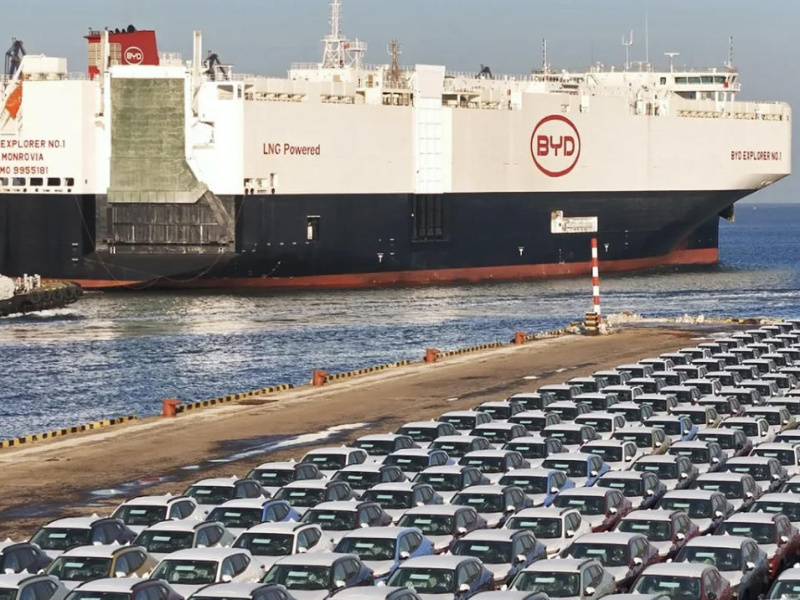
Looking back at the global situation, this tariff adjustment is actually a microcosm of the trend of China's automotive exports overseas—"breakthroughs coexist with games, and localization becomes the key". In the past few years, Chinese electric vehicles have developed rapidly globally relying on technological and cost advantages, and BYD has surpassed Tesla to become the world's largest electric vehicle seller. However, they have also encountered more and more trade barriers, with the 100% U.S. tariff and 38.1% EU tariff being typical examples. In this context, the breakthrough in the Canadian market provides a new idea for China's automotive exports: to obtain market access through in-depth economic and trade cooperation with trading partners, such as tariff quotas and joint venture factories.
In the future, the trend of China's automotive exports will probably present a two-wheel drive model of "regional breakthrough + localized layout". In friendly markets like Canada, we will steadily expand our share with the help of tariff preferences and gradually promote localized production; in markets with high barriers, on the one hand, we will offset the impact of tariffs through technological upgrading and brand premium, and on the other hand, actively cooperate with local enterprises to reduce trade friction risks. At the same time, Chinese automakers will continue to deepen their penetration in emerging markets, forming a pattern of "breaking through high-end European and American markets and expanding volume in emerging markets". After all, the global new energy vehicle transformation is an irreversible trend. Chinese automakers have mastered core technological advantages such as batteries and motors. As long as they can flexibly respond to changes in the trade environment, the pace of globalization will not stagnate.

In summary, Canada's reduction of tariffs on Chinese electric vehicles from 100% to 6.1% is a timely rain for China's electric vehicle exports, but it is by no means a one-and-done pass. The opportunity lies in opening a gap in the North American market and accumulating localized experience; the challenges lie in quota constraints, U.S. pressure, and long-term investment in global layout. For Chinese automakers, the most important thing to do now is to seize this hard-won opportunity, gain a firm foothold with high-quality products, and at the same time plan for localized layout in advance, exploring a more stable path for global export in the game between opportunities and challenges.


